FEEE Students Explore the Semiconductor Chip Development Process: From Design Concept to Tapeout
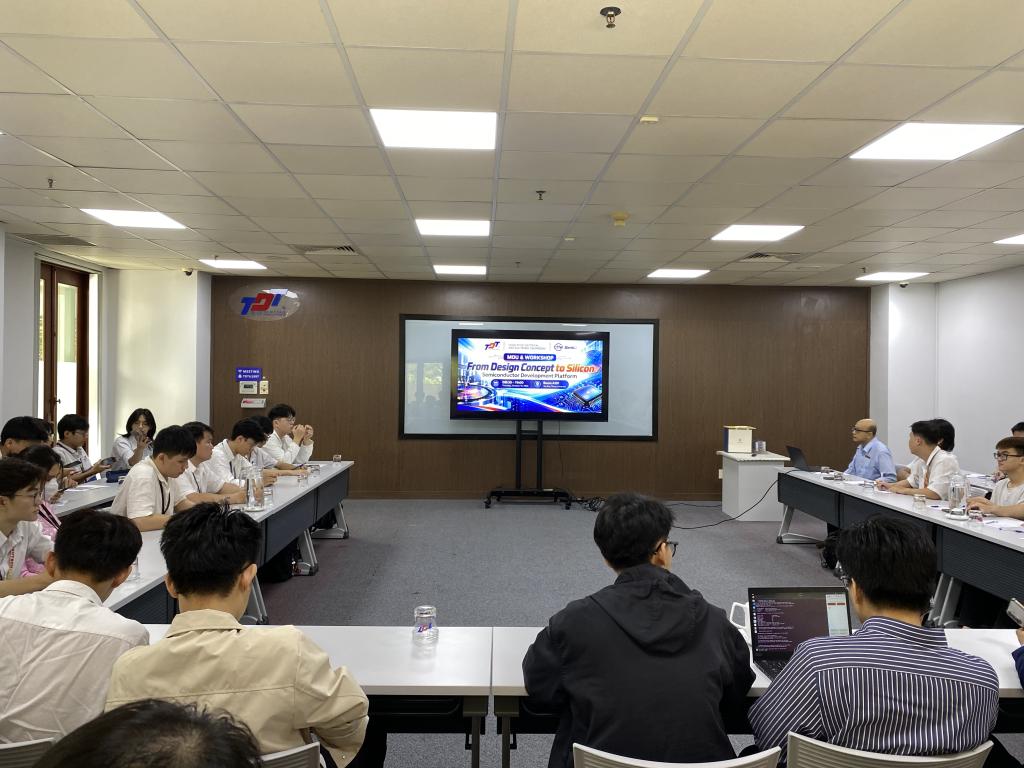
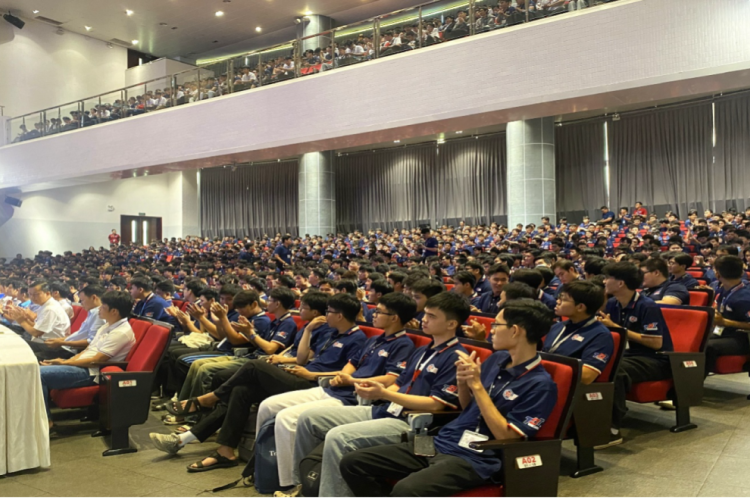
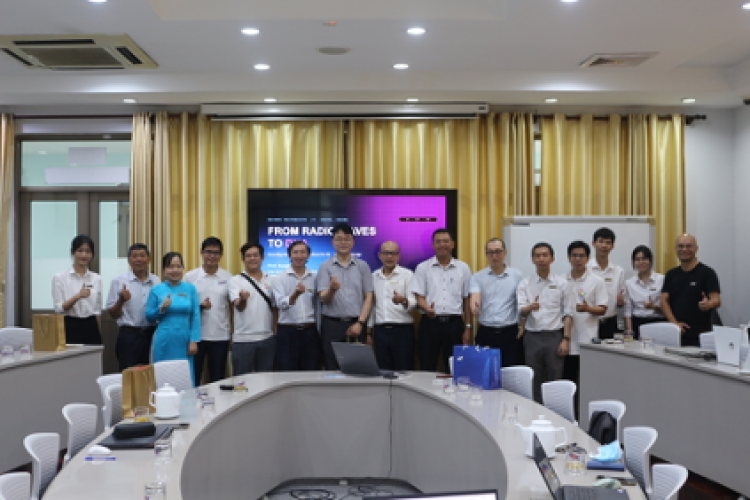
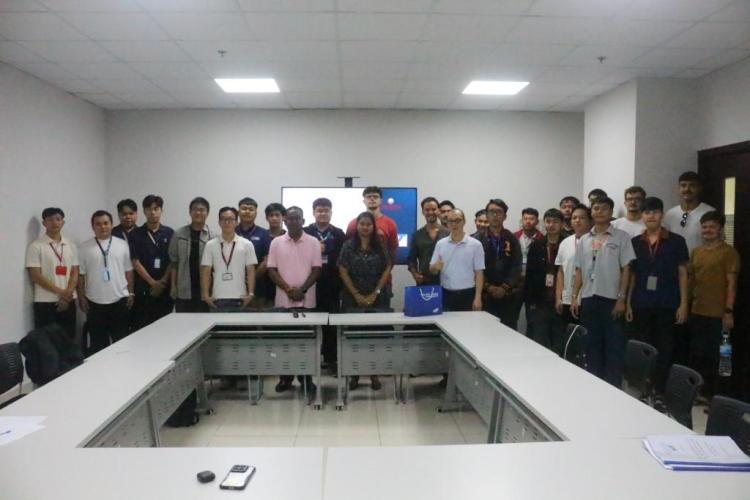
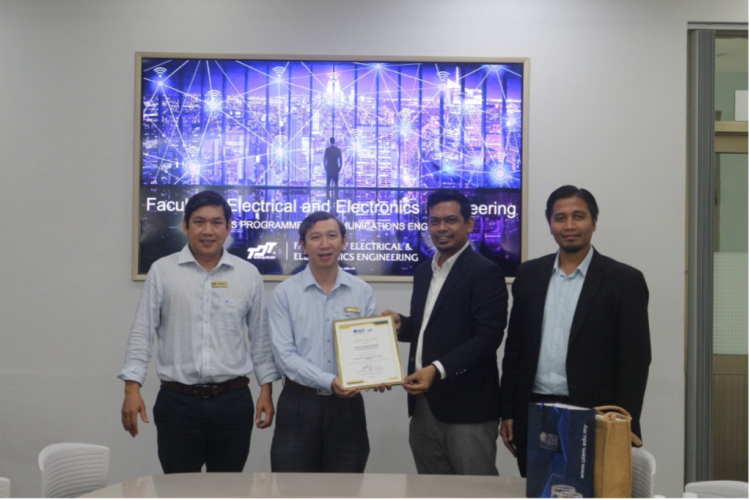
On the morning of October 15, 2026, the Faculty of Electrical and Electronics Engineering (FEEE) at Ton Duc Thang University (TDTU) hosted a technical seminar entitled “Semiconductor Chip Design Development Platform: From Design to Chip Tapeout” in Room A0101. Representatives of CTW Technology Joint Stock Company shared their industry experience with faculty members and students majoring in Semiconductor Chip Design Engineering and Telecommunications Engineering.
The seminar offered students practical insights into the semiconductor chip development process, from the initial design concept to tapeout. It also helped them better understand how academic knowledge connects with professional practice in the semiconductor design industry.
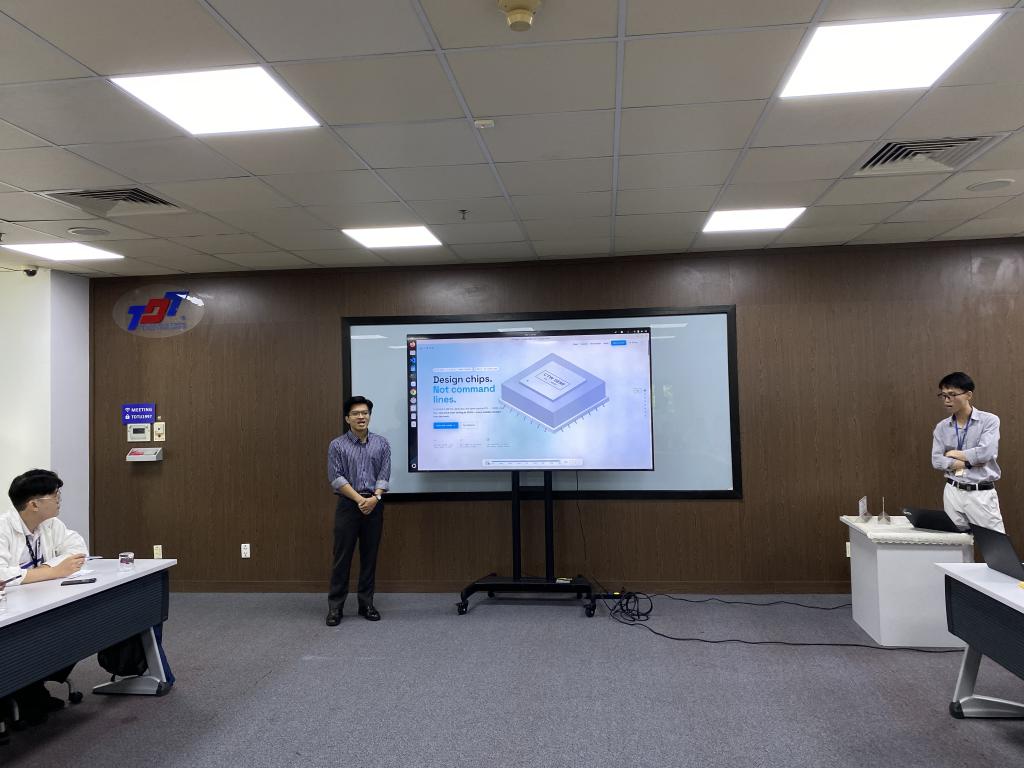
During the seminar, representatives of CTW Technology introduced the key stages of chip development, including circuit design, simulation, layout design, verification, and tapeout. The presentation also covered semiconductor development platforms and their applications in the design process.
Students were introduced to the role of Electronic Design Automation (EDA) tools and to project-based workflows spanning the process from design to tapeout. Discussions of simulation, layout, and verification helped students gain a clearer understanding of the technical requirements involved in developing an integrated-circuit product.
Beyond expanding students’ technical knowledge, the seminar provided useful guidance for selecting capstone project topics, carrying out academic projects, and pursuing scientific research. Exposure to industry workflows and practical experience helped students identify the skills they need to develop in preparation for careers in semiconductor chip design.
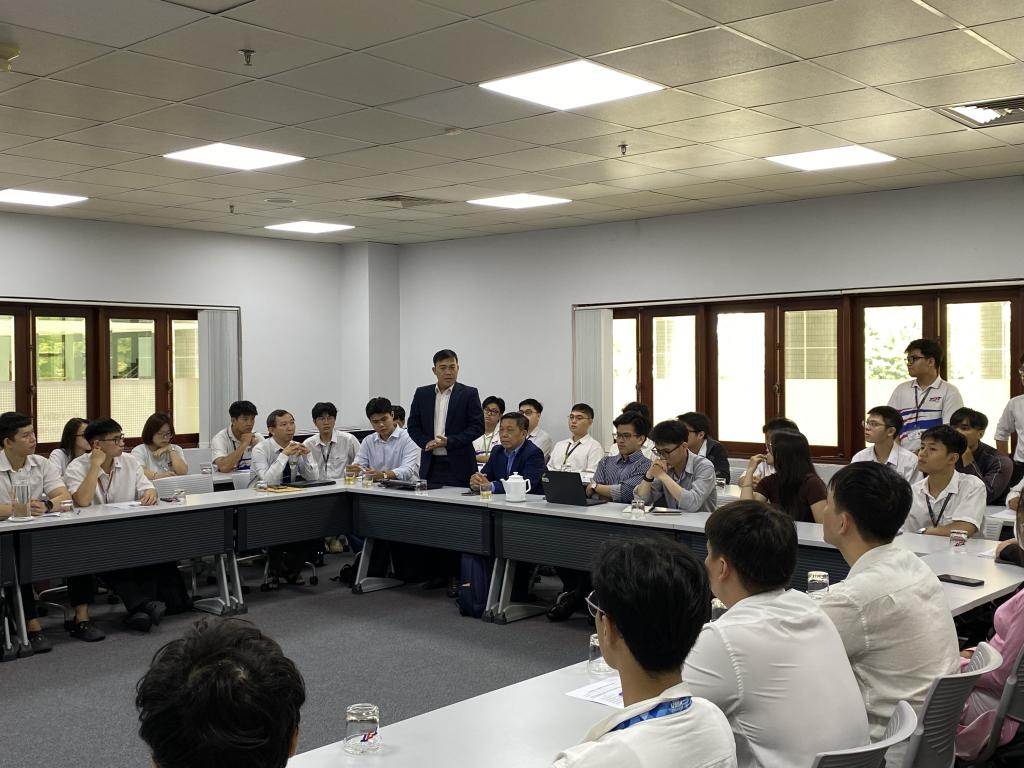
The seminar also gave students an opportunity to exchange ideas, broaden their understanding of semiconductor technology, and learn more about current industry practices. Through activities of this kind, FEEE continues to support students in connecting theoretical knowledge with practical applications, strengthening their professional competencies, and preparing for future career pathways.
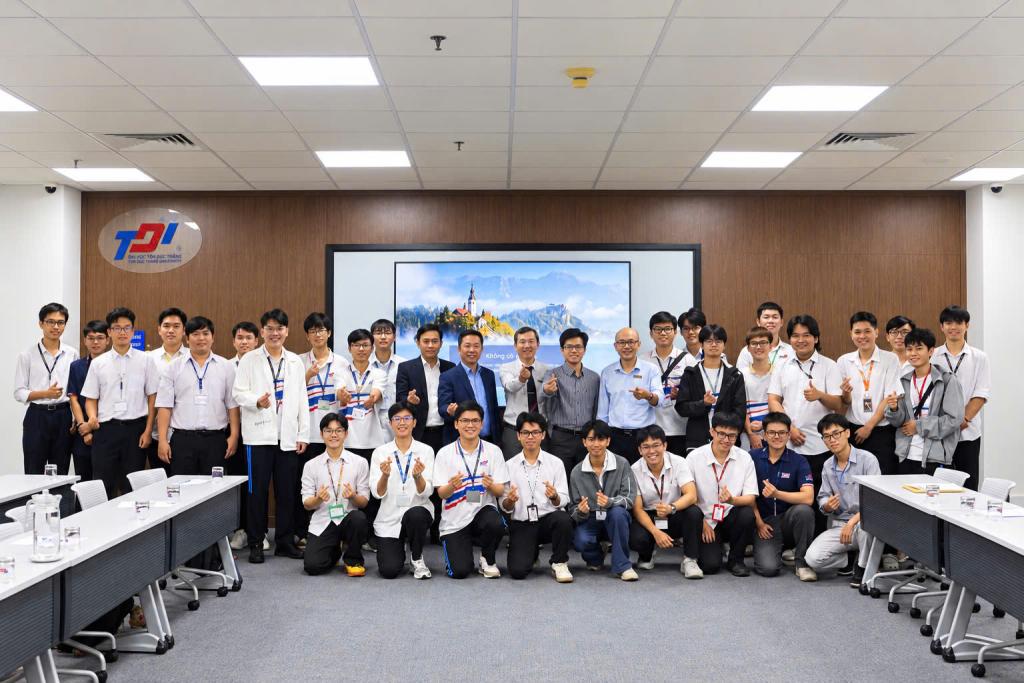
Highlights from the technical seminar: