Faculty of Electrical and Electronics Engineering Organizes a Program on Scientific Research and Innovation Orientation in Electrical Engineering
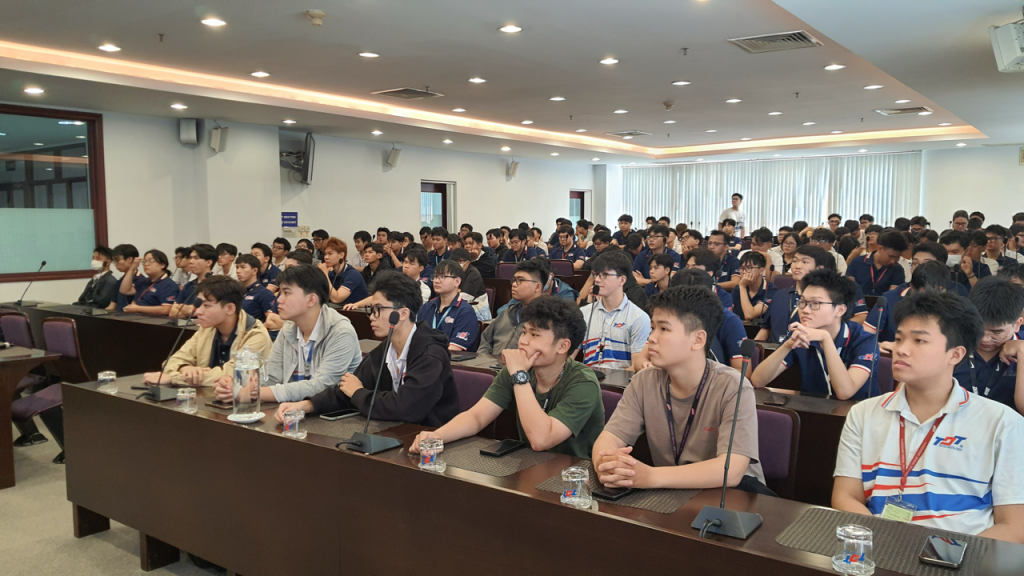
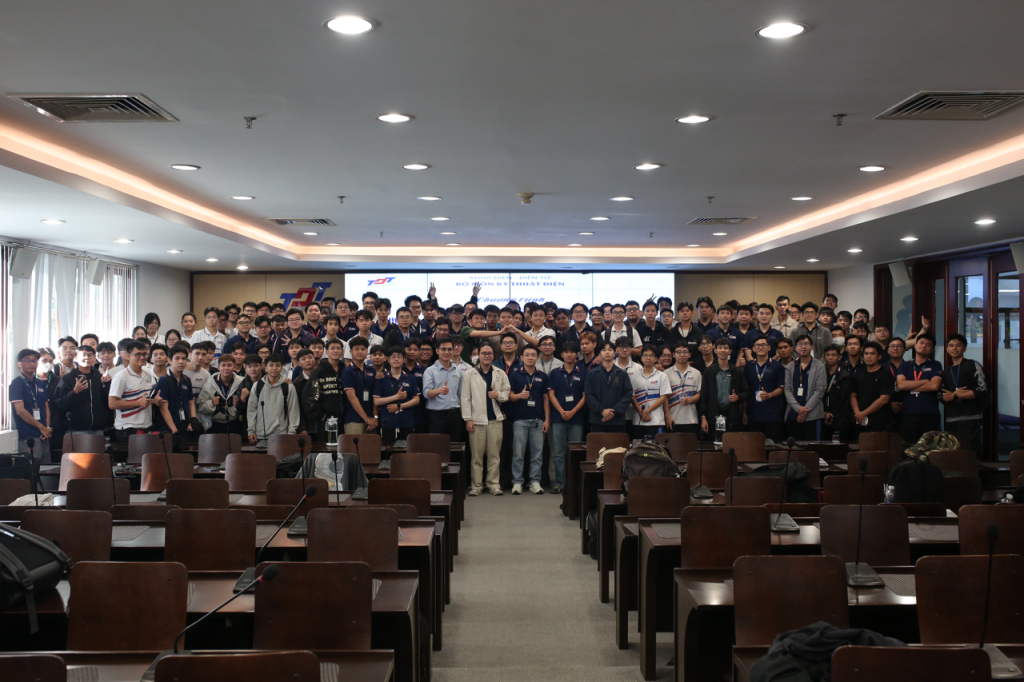
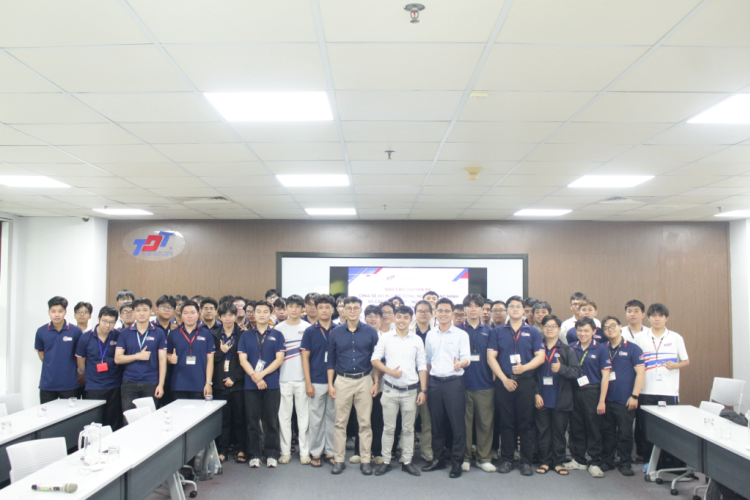
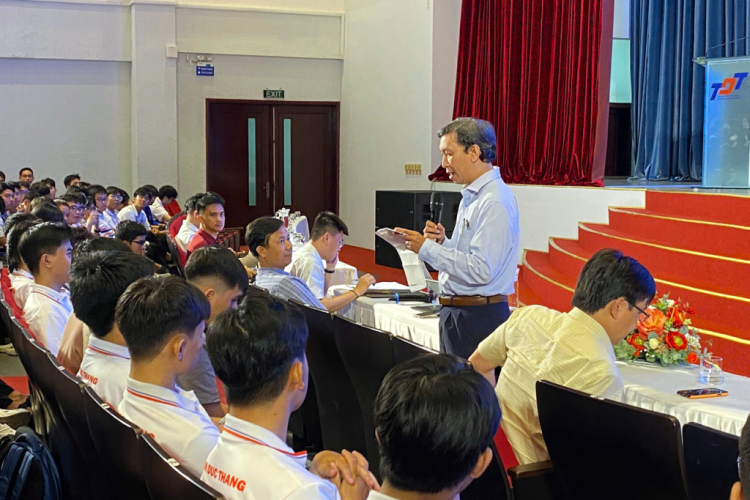
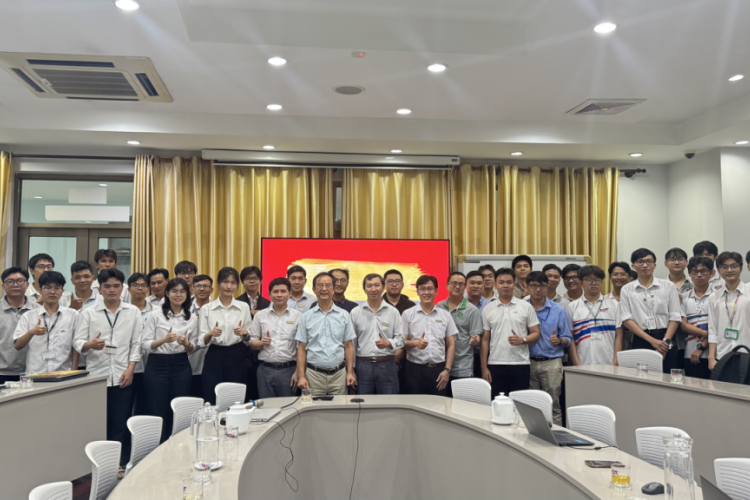
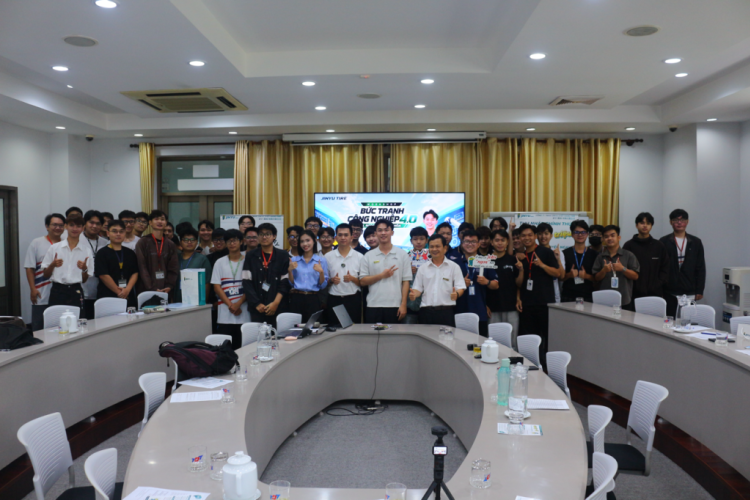
On November 6, 2026, at Room A0403, Ton Duc Thang University, the Department of Electrical Engineering, under the Faculty of Electrical and Electronics Engineering, organized a program entitled “Sharing and Orientation on Scientific Research and Innovation in Electrical Engineering” for students. The program aimed to help students explore specialized research directions, acquire scientific research methodologies, and learn about academic development opportunities during their studies at the University.
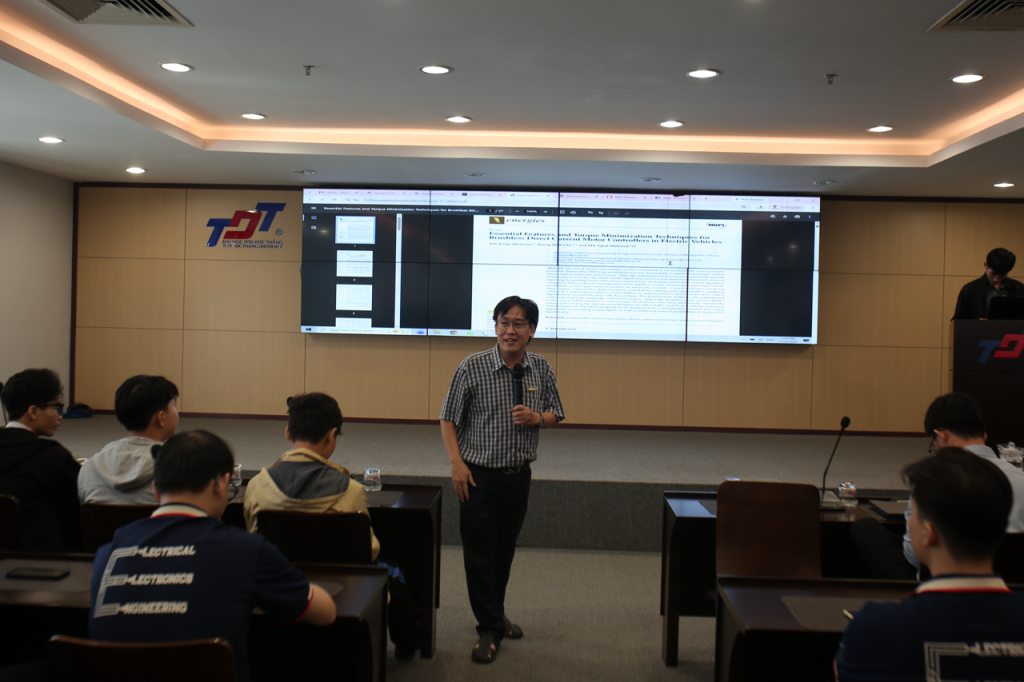
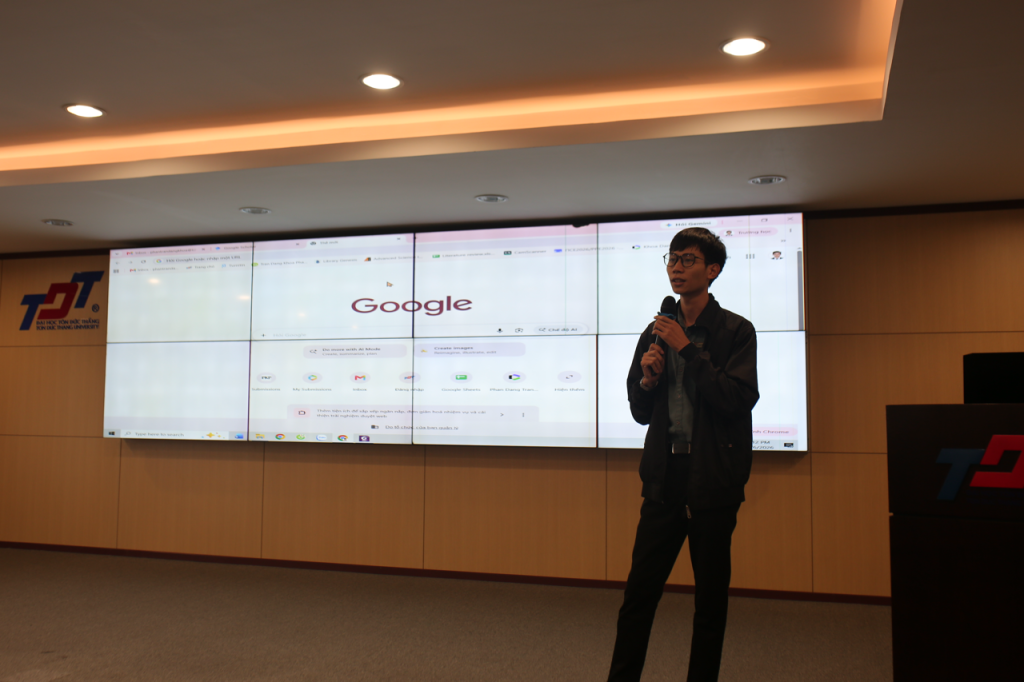
The program featured presentations by Dr. Tran Dinh Cuong, Deputy Head of the Department of Electrical Engineering; M.Sc. Phan Thanh Tai, Lecturer of the Department of Electrical Engineering; and Eng. Phan Tran Dang Khoa, Teaching Assistant of the Department of Electrical Engineering. The event also attracted students interested in scientific research and innovation activities.
Dr. Tran Dinh Cuong provided an overview of the Department's scientific research activities, emphasizing the role of research in strengthening professional knowledge, developing creative thinking, and enhancing the ability to solve practical engineering problems. Students were also introduced to various research directions in Electrical Engineering, including power systems, renewable energy, intelligent control, electrical machine control, power electronics, and energy efficiency.
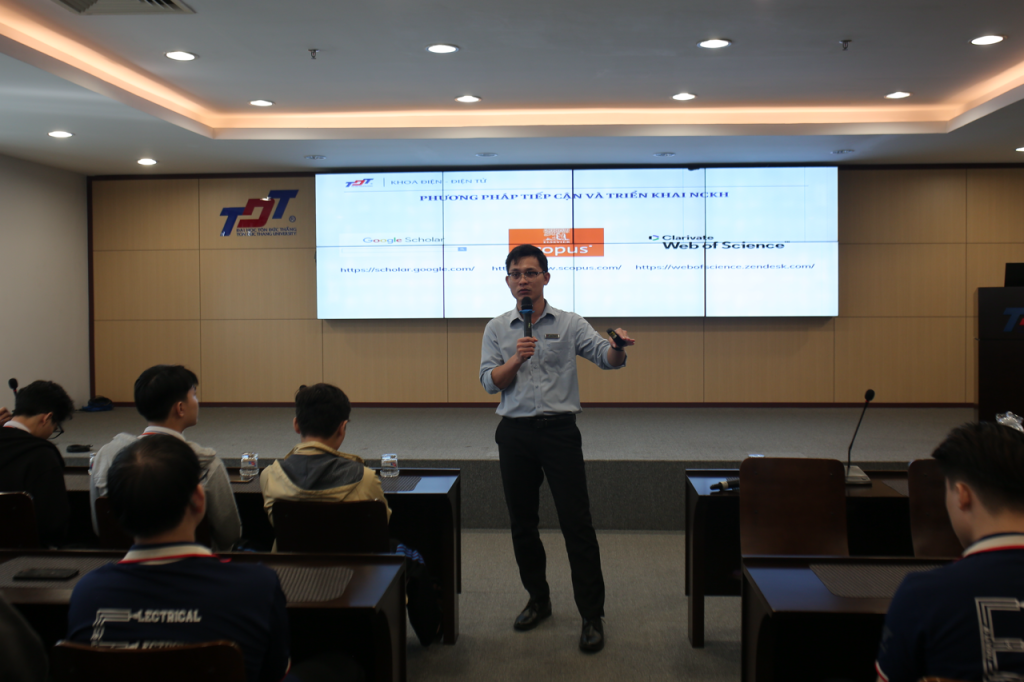
Continuing the program, M.Sc. Phan Thanh Tai shared practical insights into student scientific research activities, covering the process of generating research ideas, selecting research topics, finding academic supervisors, developing research plans, and implementing research projects. He also introduced the key stages of conducting a scientific research project, including literature search and review, objective formulation, model development, simulation or experimentation, and result analysis and evaluation. In addition, opportunities to participate in student research projects, academic competitions, entrepreneurship initiatives, and innovation activities were presented, providing students with a clearer understanding of the activities available to them throughout their academic journey.
Another highlight of the program was a session on searching for and utilizing scientific literature, presented by Eng. Phan Tran Dang Khoa. Through an introduction to and practical guidance on accessing Google Scholar, Web of Science (WoS), and Scopus, students became familiar with essential tools for searching academic papers, reviewing published research, and keeping up to date with research developments in their fields of study. These fundamental skills will help students gradually establish systematic research methods, build upon existing findings, and develop relevant research ideas.
Beyond the technical content, the program also showcased notable achievements by students of the Faculty of Electrical and Electronics Engineering in scientific research, technology competitions, and innovation activities in recent years. These achievements serve as an encouragement for students to participate in research projects, develop engineering products, and apply their acquired knowledge to solving real-world problems.
In particular, students were introduced to postgraduate education pathways in Electrical Engineering at Ton Duc Thang University, including Master's, Talent Master's, and Doctoral programs. The presentation provided students with a better understanding of academic development pathways, as well as the requirements for professional knowledge, foreign language proficiency, and research skills. It also highlighted opportunities for further study and advanced research after graduation.
Through this program, the Department of Electrical Engineering aims to encourage students to proactively explore research ideas, engage in discussions with lecturers, and gradually participate in scientific research activities from their undergraduate years. The event also provided an opportunity to strengthen connections between lecturers and students, fostering a positive academic environment and promoting closer integration between education, scientific research, and innovation.
This program represents a meaningful initiative by the Faculty of Electrical and Electronics Engineering to provide orientation, support, and develop students' scientific research capabilities, laying a solid foundation for their professional development, creative thinking, and future career pathways.
Highlights of the program: